
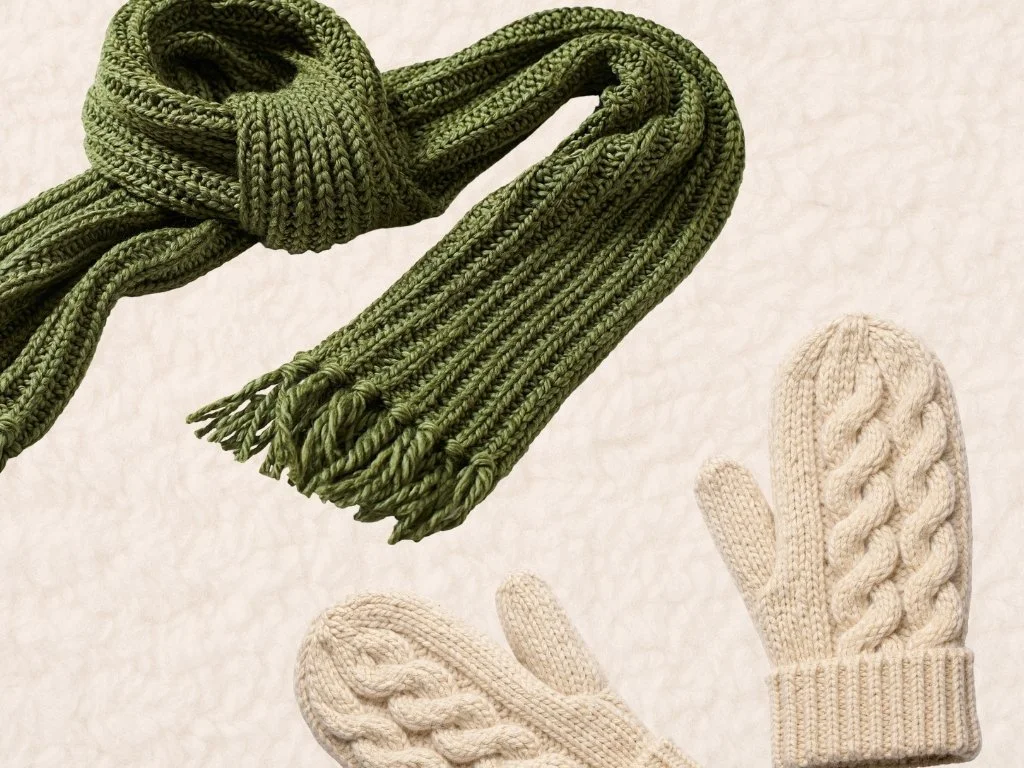
When winter arrives, you probably reach for your coziest sweater, the fuzziest socks, and the warmest jacket. But have you ever wondered why some clothes keep you warmer than others?
Staying warm isn’t just about how thick or fluffy your clothes are. Different fabrics are designed to trap heat, block cold air, and even move moisture away from your skin. Let’s take a closer look at some of the fabrics that help us stay toasty all winter long!
Wool: Nature’s Winter Wonder
Wool comes from sheep, and it’s one of the oldest materials humans have used to stay warm— people still love it today for a reason!
Wool fibers are naturally curly and springy, creating tiny pockets of air between them. Those air pockets trap the heat your body produces, helping you stay warm. And here’s a cool fact: wool can keep you warm even when it gets a little damp. It can absorb some moisture without feeling wet right away, keeping you comfortable when you’re outside. That makes it especially useful for cold-weather adventures.
Fleece: Fluffy and Warm
Fleece feels like a soft, fuzzy blanket, and that’s part of its superpower! Most fleece is made from synthetic polyester fibers. The fibers create lots of tiny spaces that trap warm air close to your body. Fleece is also lightweight, dries quickly, and is usually less expensive than wool. That’s why you’ll find fleece in everything from jackets and blankets to hats and cozy pajamas!
Polyester: The Moisture Mover
Polyester might not look as exciting as a fluffy fleece jacket, but it plays an important role in winter clothing. It’s often used as a base layer— closest to your skin.
Why? Polyester can help move sweat and moisture away from your body. This is important because wet clothing can make you feel much colder! It can also be woven or treated in different ways to make jackets, athletic clothes, and other cold-weather gear.
Cotton: Comfy, But Not Always Cozy
Cotton is soft, comfortable, and likely found in many of your everyday clothes. But when it comes to staying warm outside, cotton has a weakness: it holds onto water.
If you sweat while playing outside or your cotton clothes get wet from snow, they can take a long time to dry. Wet fabric pulls heat away from your body, making you feel colder. But that doesn’t mean you have to avoid cotton all winter! It just means that for really cold or snowy days, wool or synthetic fabrics are a better choice.
So, What Keeps You Warmest?
No single fabric wins every winter day. The warmest outfit usually depends on how you layer your clothes.
1. A good cold-weather outfit might start with a moisture-wicking base layer made from polyester to help keep your skin dry.
2. Add a warm middle layer, such as fleece or wool, to trap body heat.
3. Then add an outer layer that blocks wind, rain, or snow.
Think of your clothes as a team. One layer keeps you dry, another traps heat, and another protects you from precipitation.
The next time you pull on your favorite winter sweater, remember: there’s a little bit of science keeping you warm!