
Tiny Helpers with a Huge Job
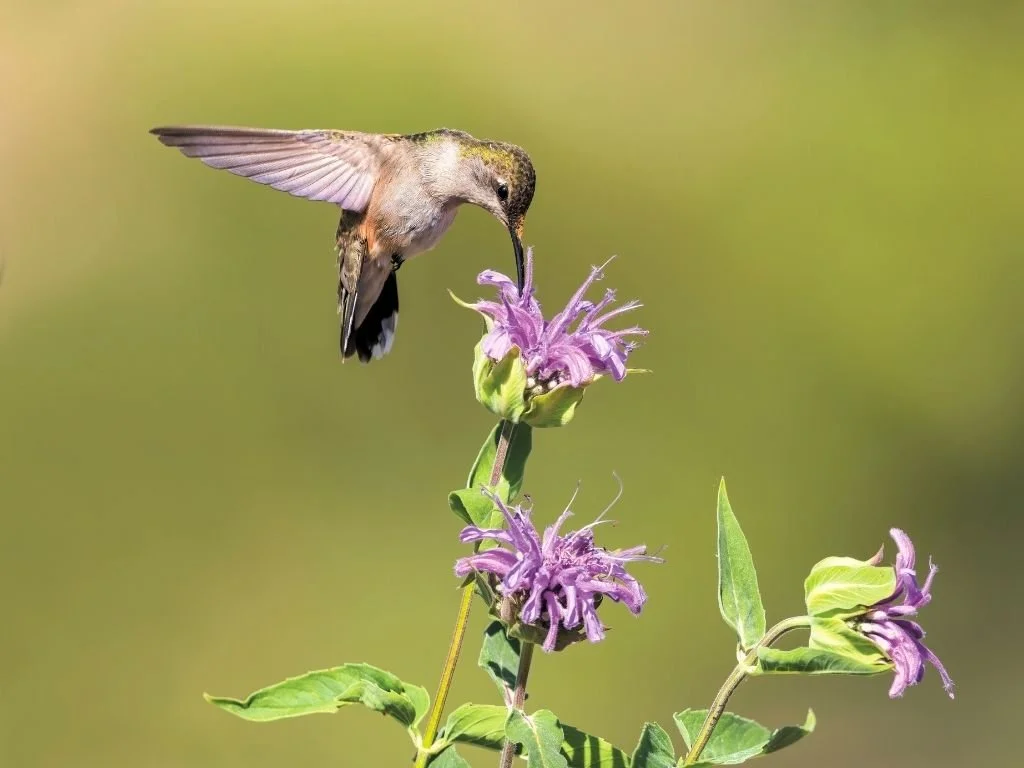
Meet the Pollinators of Lincoln
In Lincoln, some of the hardest-working locals are also the tiniest. Our pollinators help seeds and plants to grow, and without them, we wouldn’t have the grasses, flowers, or even fruits that we enjoy today! Let’s take a deeper look at some of our pollinators and how you can help them.
Our Best Bugs
Lincoln is home to a whole community of pollinators. Here are some you might spot around your neighborhood, parks, or even backyard:
Bats, Beetles, Butterflies, Flies, Honey Bees, Hummingbirds, Moths, Native Bees, and Wasps!
Each of these tiny workers moves pollen from one flower to another, which helps plants grow fruits, seeds, and even new plants. Without these pollinators, many plants wouldn’t survive.
What Plants Do Pollinators Love?
Pollinators in Lincoln rely on native plants, which are flowers, trees, and shrubs that have evolved with our local wildlife. Native plants give pollinators the right kind of pollen, nectar, and shelter they need. When you plant any of the following, you’re creating a pollinator pit stop.
Flowers:
Purple Coneflower, Black-eyed Susan, Bee Balm, Milkweed, Aster, Goldenrod, Anise Hyssop, Wild Bergamot, Penstemon, and Prairie Clover
Trees and Shrubs:
Lead Plant, Chokecherry, and Silver Buffaloberry
These plants can grow in yards, gardens, and even small pots.
How Can We Help the Lincoln Pollinators?
Small actions make a big difference. Here are some easy ways you and your family can help support local pollinators:
Choose to plant native Nebraska plants whenever you can. The University of Nebraska-Lincoln Extension provides great recommendations for local species that thrive here.
The Lower Platte South Natural Resources District offers free native seeds through its Backyard Prairie Pollinator Program. These seeds can start your own pollinator patch.
Try to avoid using chemicals in your yard. Many pesticides hurt pollinators or make it harder for them to find food.
Plant flowers in groups. Pollinators love plants that bloom in bunches. It makes it easier for them to fly from flower to flower without getting tired.
Offer variety. Different pollinators like different flower shapes and colors. Planting a mix helps feed more species.
How Can We Make a Difference?
Your teachers or parents can help you look these up! Whether you plant a small pot of flowers, create a backyard pollinator garden, or simply learn how to spot local pollinator species, you’re helping protect our environment.
Pollinators are tiny, but together with your help, they keep our world blooming big!